The Toughest Filamentous Algae to Control: Why They Keep Coming Back
By

The ecology behind persistent green algae and filamentous cyanobacteria, and how to break the cycle instead of chasing the bloom.
Filamentous algae and filamentous cyanobacteria are among the most persistent problems in ponds and lakes. The toughest species are not necessarily the ones that grow fastest. They are the organisms with ecological advantages that help them survive treatment, protect themselves from algaecides, store nutrients, regenerate from resting cells, or thrive under conditions that suppress competitors.
That is why long-term algae management starts with a different question: What gives this organism its competitive advantage? Once that is understood, management can target both the visible biomass and the conditions that keep allowing it to return.
Green Filamentous Algae vs. Filamentous Cyanobacteria
Green filamentous algae are true algae. Pithophora and Spirogyra commonly form stringy, fibrous, or floating mats, and their biggest advantages tend to involve rapid growth, fragmentation, attachment, and resistant resting structures.
Filamentous cyanobacteria are photosynthetic bacteria commonly called blue-green algae. Organisms such as Dolichospermum, Raphidiopsis, and Planktothrix can possess additional advantages including nitrogen fixation, specialized resting cells, nutrient storage, buoyancy regulation, and exceptional tolerance of low light or mixing. They may look similar from the shoreline, but their ecology can be dramatically different.
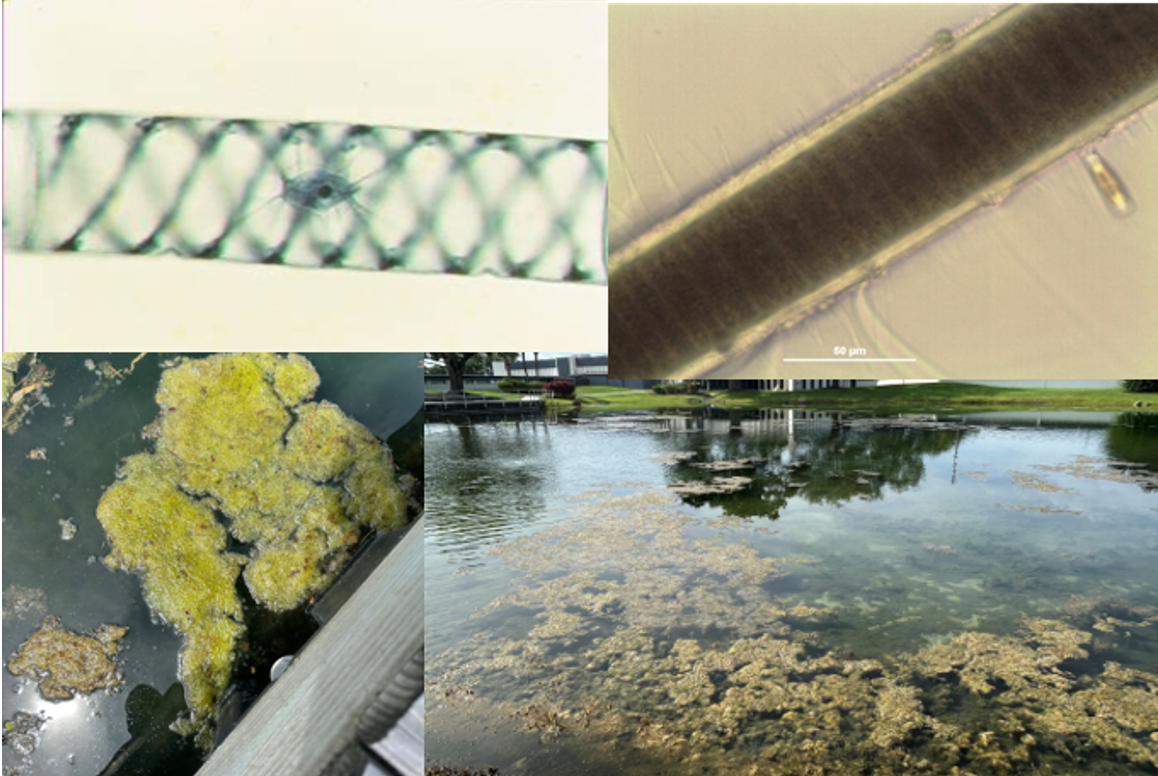
Figure 1. Green Vs. Cyanobacteria algae. Left Spirogyra and right Lyngbya.
Pithophora: Built to Survive
Pithophora is one of the toughest green filamentous algae to control because it produces thick-walled resting cells called akinetes. These structures contain stored reserves that help the organism survive unfavorable conditions and contribute to rapid regrowth once temperature, light, and nutrients become favorable again.
Temperature is a major part of that advantage. Laboratory research found maximum Pithophora growth at 35°C under high light, while growth at 15°C was approximately 89% below the maximum. This helps explain why Pithophora can become particularly aggressive in warm, shallow, sunny ponds.
PondZilla Pro is especially useful in difficult Pithophora programs because it helps improve penetration and breakdown of resistant filamentous biomass. Natural Lake research found greater biomass reduction and more visible cellular damage when copper algaecides were combined with PondZilla Pro compared with algaecide alone. PondZilla Pro is also designed to help break down dead thick-walled cells and akinetes after treatment.
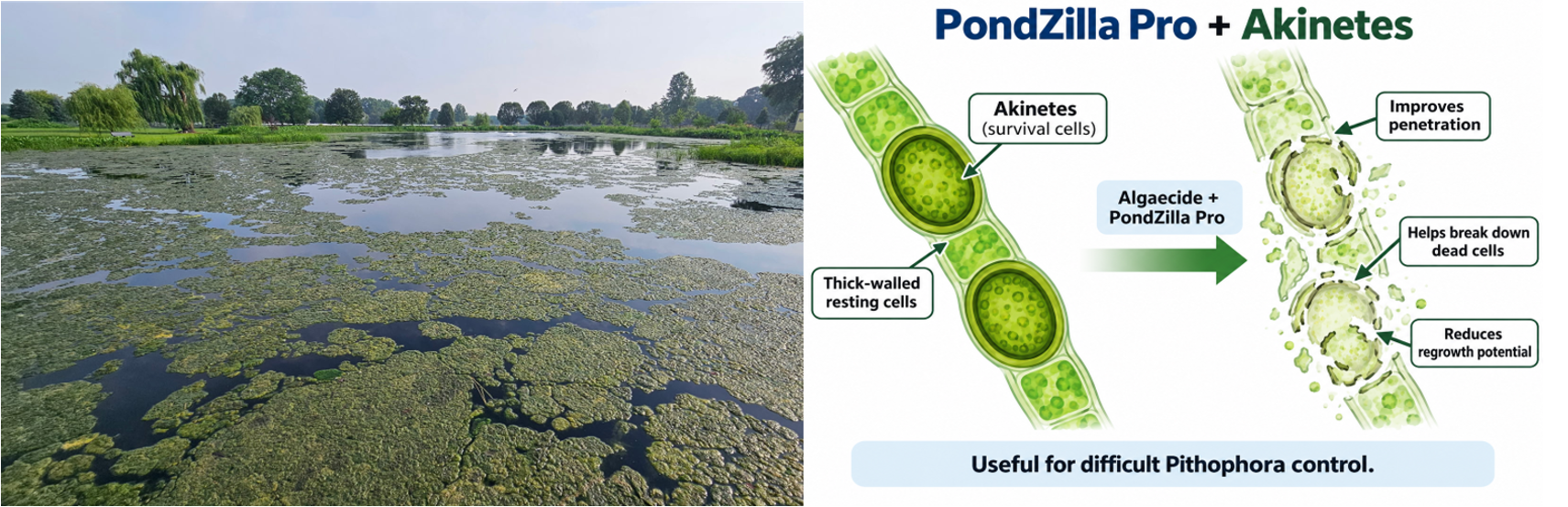
Figure 2. PondZilla Pro helps improve penetration and breakdown of thick-walled akinetes in difficult Pithophora control programs.
Spirogyra: The Opportunist
Spirogyra is difficult for a different reason: speed. Growth often starts below the surface before photosynthetic gases lift the mat upward, making it appear as though the algae developed overnight.
Research found maximum Spirogyra growth near 25°C under high light, but substantial growth continued across a broad temperature range. That flexibility gives Spirogyra repeated opportunities to exploit nutrient pulses from stormwater, fertilizer, reclaimed water, decomposition, and sediment recycling. Unlike Pithophora, the challenge is less about long-term resting structures and more about how quickly the organism can convert favorable conditions into visible biomass.
Mucilage: A Built-In Protective Barrier
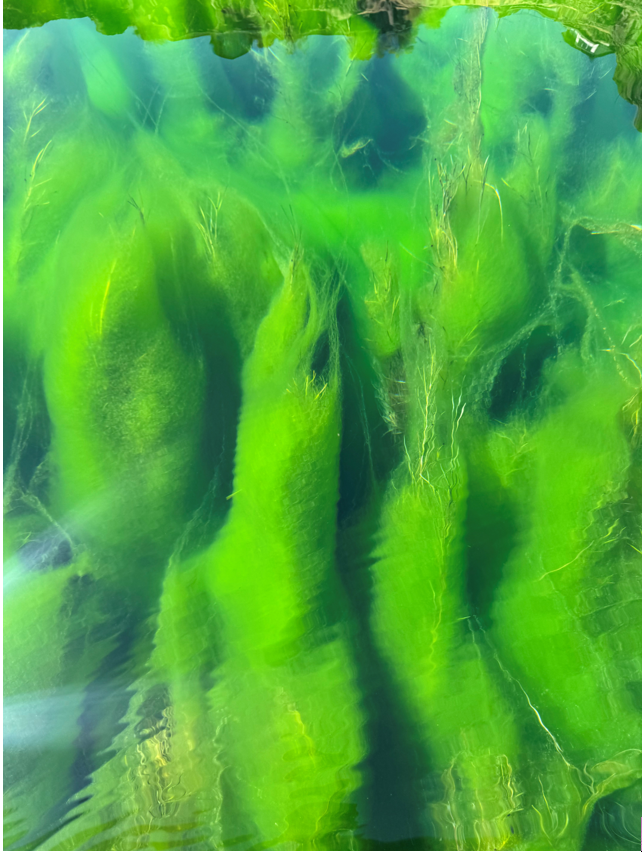
Some filamentous cyanobacteria surround their cells with mucilage, biofilms, and associated microbial communities that can reduce treatment contact. These protective layers act as a biological and physical barrier between the algaecide and the target organism. That is one reason gelatinous filamentous cyanobacteria can be so frustrating to control.
AquaSticker is particularly useful when mucilage or protective microbiota are limiting treatment performance. It helps temporarily disrupt that surface community while improving treatment adhesion, contact, and uptake. Natural Lake testing with difficult filamentous cyanobacteria has shown more cellular damage and greater suppression when AquaSticker was included with algaecide combinations than when the same algaecides were used alone.
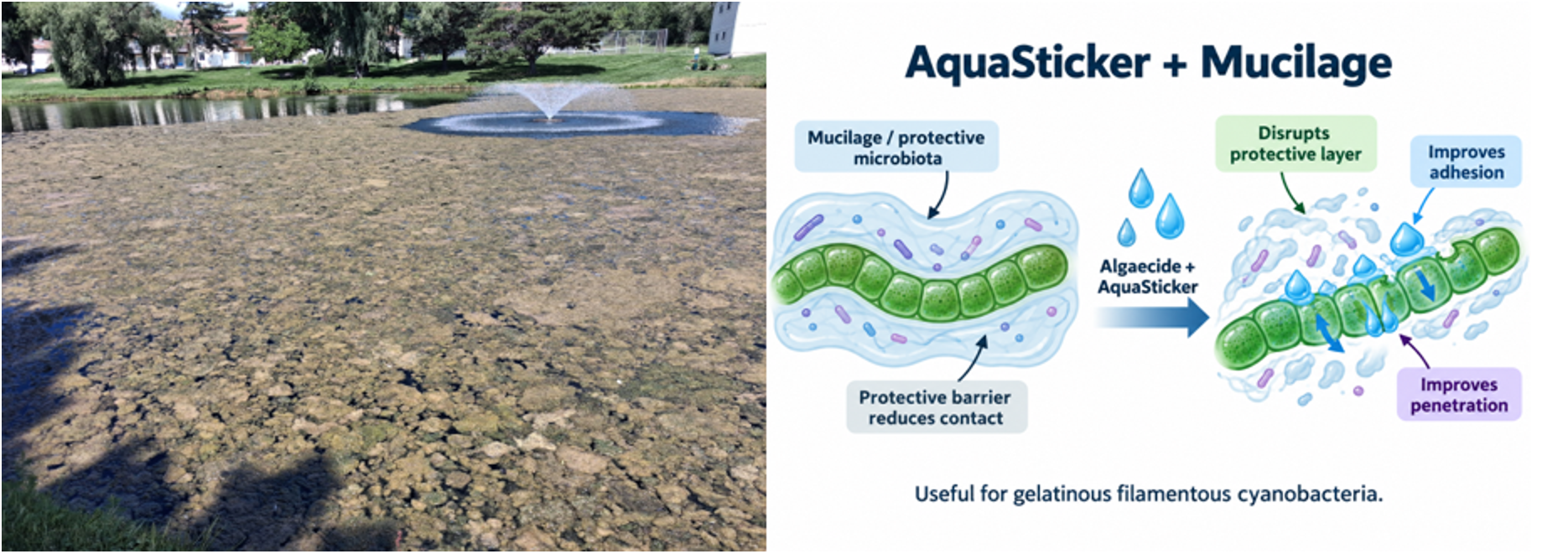
Figure 2. PondZilla Pro helps improve penetration and breakdown of thick-walled akinetes in difficult Pithophora control programs.
Dolichospermum: When Lower Nitrogen Is Not Enough
Dolichospermum has two major ecological advantages. Many species can form heterocysts that fix atmospheric nitrogen, allowing them to remain competitive when dissolved inorganic nitrogen becomes scarce. They can also produce akinetes that persist in sediments and later help reseed the water column.
That means lowering nitrogen alone may not eliminate the problem. If phosphorus remains readily available, nitrogen-fixing cyanobacteria can retain a major competitive advantage. This is why nutrient management has to look at the whole nutrient system, not just one number in a water sample.
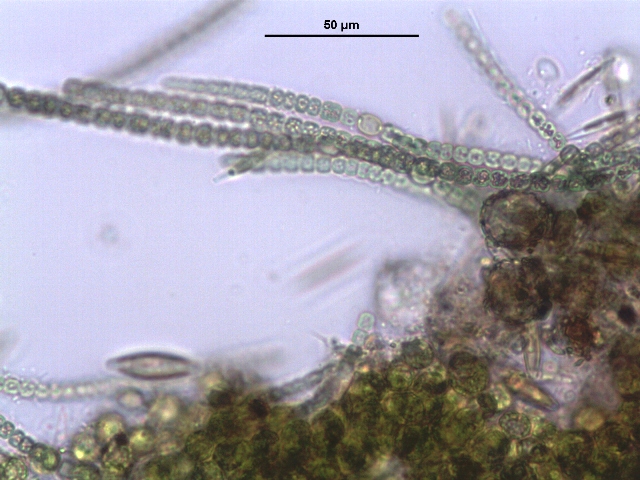
Figure 5. Picture of the Cyanobacteria Dolichospermum.
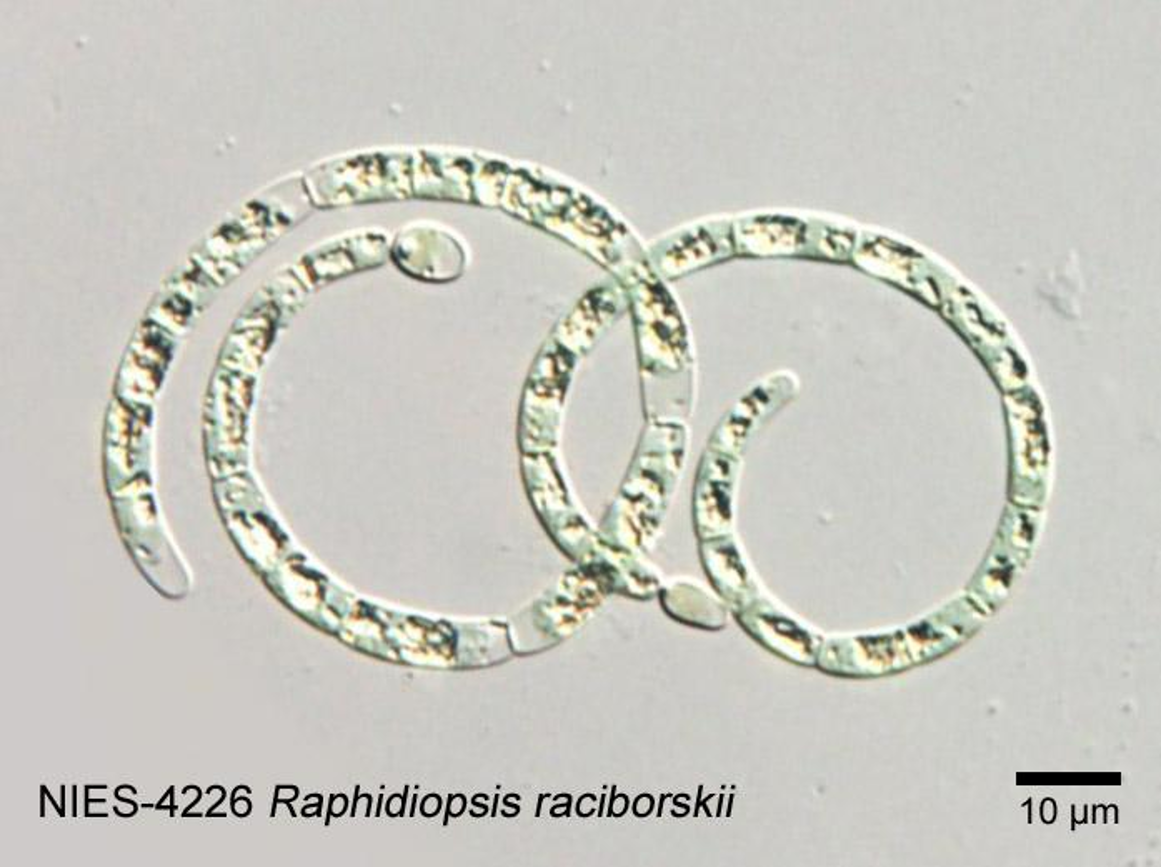
Figure 6. Picture of the cyanobacteria Raphidiopsis.
Raphidiopsis: The Nutrient-Scavenging Specialist
Raphidiopsis raciborskii, formerly Cylindrospermopsis raciborskii, is difficult because of its nutrient flexibility. It can efficiently capture phosphorus when it is available, store nutrients internally, and access alternative nutrient forms when readily available supplies decline.
This means a temporary improvement in water-column chemistry does not necessarily eliminate its competitive advantage. Raphidiopsis can persist through changing nutrient conditions and rapidly respond when favorable conditions return. Its ability to function across a broad range of environmental conditions is one reason it can become a persistent management problem in warm lakes.
Planktothrix: Why Aeration Is Not Always the Answer
Planktothrix demonstrates why species-level identification matters before choosing a management strategy. Planktothrix rubescens commonly favors deeper, stratified, low-light environments. Planktothrix agardhii, however, is well adapted to shallow, nutrient-rich, frequently mixed lakes.
That creates an important management caution. Aeration can provide major dissolved-oxygen and fishery benefits, but mixing is not automatically cyanobacteria control. Some Planktothrix populations are highly tolerant of turbulence and may remain competitive in systems where stronger mixing would suppress more buoyant cyanobacteria. The lesson is not to avoid aeration. It is to recognize that aeration, algae control, and nutrient management solve different problems.
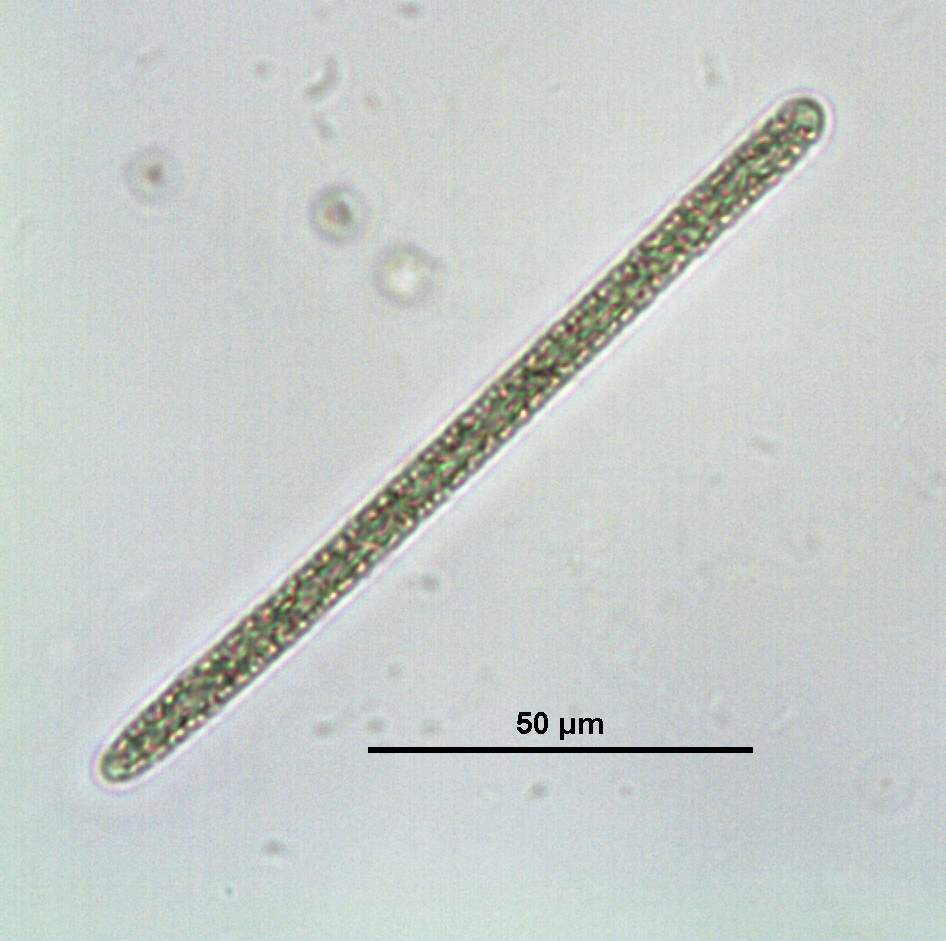
Figure 7. Pcitrue of the cyanobacteria Planktothrix.
Why Traditional Algae Management Starts to Lose Effectiveness
Traditional algae management often focuses on what can be seen: treat the bloom, knock it back, and repeat when it returns. That approach can work when nutrient pressure is relatively low.
But over time, external nutrient inputs and repeated cycles of algae growth and decomposition can build a large nutrient reservoir in bottom sediments. Once that happens, the lake begins feeding the next bloom from within.
External nutrients enter → algae bloom → algae die and settle → decomposition increases → nutrients recycle from sediments → another bloom forms.
At that point, repeated algae-only treatments can start to lose effectiveness because the underlying nutrient cycle has not changed. The solution is not necessarily a stronger algaecide program. It is to break the nutrient cycle.
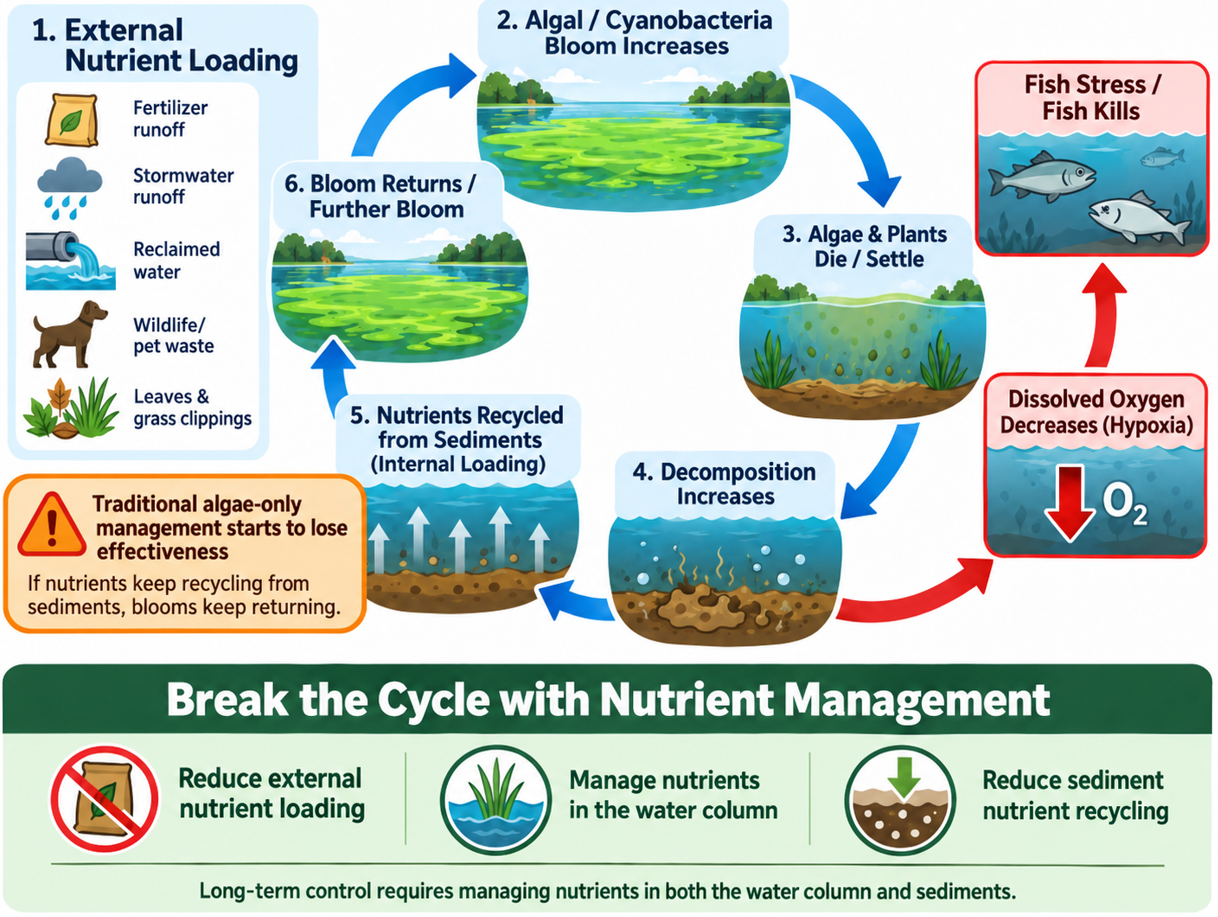
Figure 8. Traditional algae-only management can lose effectiveness as internal nutrient recycling strengthens; long-term control requires managing both external loading and the internal nutrient reservoir.
Control the Bloom — Then Hit the Nutrient Targets
Once nuisance biomass is controlled, the priority becomes preventing nutrients stored in algae, the water column, and bottom sediments from simply feeding the next bloom.
Table 1. Natural Lake water-quality reference ranges are management benchmarks, not regulatory criteria. Sediment categories refer to reactive/mobile phosphorus.
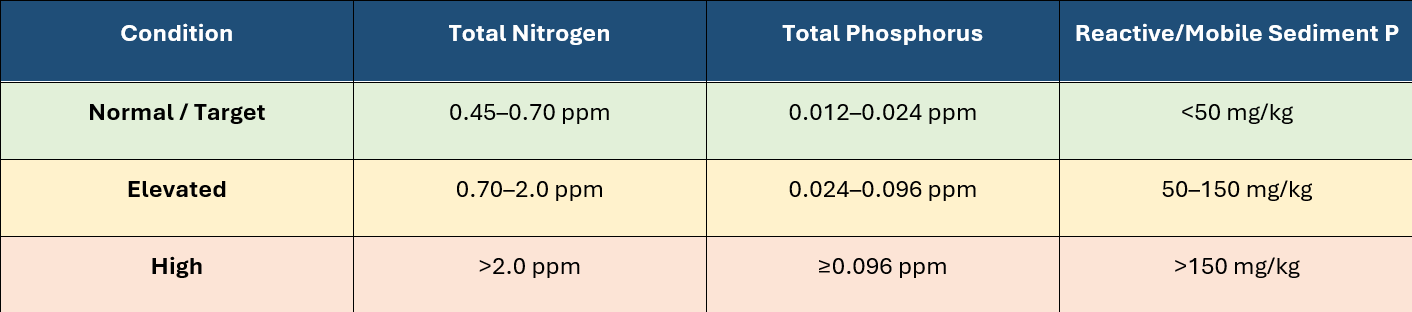
MetaFloc Pro, MuckBiotics, and Summer Slam work best as a complementary nutrient-management system. MetaFloc Pro is strongest on phosphorus management, helping reduce the phosphorus pool available in the water column and sediments. MuckBiotics works from the bottom up by accelerating breakdown of nutrient-rich organic muck. Summer Slam supports beneficial microbial activity during warm conditions, helping process soluble nutrients and organic material when biological activity and nuisance growth are often at their highest.
Together, these tools help reduce nutrient availability in the water, limit internal recycling from sediments, and shrink the organic nutrient reservoir on the bottom.
Control the Bloom — Then Hit the Nutrient Targets
Once nuisance biomass is controlled, the priority becomes preventing nutrients stored in algae, the water column, and bottom sediments from simply feeding the next bloom.
The toughest algae keep coming back because they have more than one way to survive. Pithophora uses resistant akinetes. Mucilaginous cyanobacteria create protective barriers. Dolichospermum can fix nitrogen. Raphidiopsis is highly efficient at finding and storing nutrients. Planktothrix can thrive under physical conditions that suppress other organisms.
That is why long-term management cannot stop at killing visible algae. PondZilla Pro and AquaSticker help address the organism’s biological defenses, while MetaFloc Pro, MuckBiotics, and Summer Slam help reduce the nutrient inventory that fuels the next generation.
The objective is not simply to make algae disappear today. It is to change the ecological conditions that keep bringing it back tomorrow.
Tip of the day:
If algae keeps coming back, stop chasing the mat and start measuring the nutrient reservoir feeding it
Related Products & Services
AquaSticker

PondZilla Pro


About the Author
Patrick Goodwin, M.S., CLM, serves as a Water Resource Specialist at Natural Lake Biosciences, bringing over a decade of expertise in water resource management. He specializes in collecting data to assess nutrient loading and its impacts on algal blooms and water clarity. With a proven track record of restoring numerous water bodies, Patrick is recognized as an authority in implementing oxygenation and circulation techniques.
Stay Up to Date With The Latest News & Updates
Subscribe Below for Natural Lake Biosciences Updates and Event Invitations!
0 Comments